
Adult Acne: Causes, Treatments, and Why It Happens in Your 20s, 30s, and Beyond
Acne is often thought of as a teenage problem, but many adults continue to experience breakouts well into their 20s, 30s, and beyond.
In fact, adult acne affects up to 40–50% of women at some point in adulthood, and it is increasingly common in both men and women. The causes are often different from adolescent acne, which means treatment approaches may need to be adjusted.
Understanding why adult acne occurs is the first step toward building an effective treatment plan.
Why Adults Get Acne
Acne develops when hair follicles become clogged with oil and dead skin cells. Bacteria and inflammation can then lead to pimples, cysts, and deeper breakouts.
In adults, several factors often contribute.
Hormonal Fluctuations
Hormones play a major role in adult acne. While acne is often associated with the hormonal changes of adolescence, hormonal fluctuations continue throughout adulthood, particularly in women.
Changes related to menstrual cycles, stress, hormonal contraception, pregnancy, and perimenopause can all influence oil production in the skin. For this reason, adult acne is more common in women than in men.
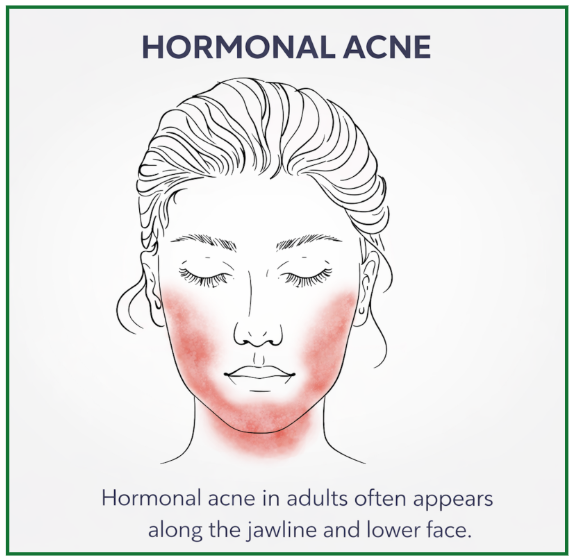
Hormonal acne often appears:
Along the jawline
On the chin
On the lower cheeks
Around the mouth
Breakouts may also worsen around menstrual cycles.
Increased Oil Production
Some people naturally produce more oil (sebum), which can clog pores and lead to acne. Oil production can also increase due to hormonal changes or certain skincare products.
Stress
Stress can influence hormone levels and inflammatory pathways in the body. For some people, increased stress can worsen acne or trigger flare-ups.
Skincare and Cosmetic Products
Certain skincare products, makeup, and hair products can contribute to acne if they clog pores.
Products labeled non-comedogenic are less likely to cause breakouts.
Common Types of Adult Acne
Adult acne can present in several ways.
Comedonal Acne
This type of acne occurs when pores become clogged with oil and dead skin cells but without significant inflammation.
Common lesions include:
Blackheads (open comedones)
Whiteheads (closed comedones)
These lesions often appear on the forehead, nose, and chin and tend to respond well to treatments that help keep pores clear, such as retinoids and salicylic acid.
Inflammatory Acne
Inflammatory acne occurs when clogged pores become inflamed due to bacteria and immune responses in the skin.
Common lesions include:
Red pimples (papules)
Pustules (pimples containing visible pus)
Tender inflamed bumps
These breakouts are typically more noticeable and may lead to post-inflammatory pigmentation or scarring if they are severe or persistent.
Hormonal or Cystic Acne
This type of acne often appears as deeper, painful bumps beneath the skin and is frequently influenced by hormonal fluctuations.
Hormonal acne commonly appears:
Along the jawline
On the chin
On the lower cheeks
These breakouts may persist for weeks and carry a higher risk of scarring or long-lasting dark marks if left untreated.
What Actually Works for Adult Acne
Many effective treatments are available, but the right approach depends on the type and severity of acne.
Retinoids
Topical retinoids are one of the most important treatments for acne.
They help by:
Preventing clogged pores
Improving skin cell turnover
Reducing inflammation
Retinoids are also helpful for improving skin texture and pigmentation that can occur after acne heals.
Benzoyl Peroxide
Benzoyl peroxide helps reduce acne-causing bacteria and inflammation.
It is often used as a cleanser, gel, or spot treatment.
Salicylic Acid
Salicylic acid is a beta hydroxy acid that helps dissolve oil and debris inside pores.
It can be helpful for people with blackheads and whiteheads.
Hormonal Treatments
For patients with hormonally driven acne, treatments that target hormones may be helpful.
These may include medications (like spironolactone for female patients) that reduce androgen activity or regulate hormonal fluctuations.
Prescription Treatments
When acne is persistent, worsening, or causing scarring, prescription treatments may be recommended.
These may include:
Prescription retinoids
Topical antibiotics
Oral medications including antibiotics, hormonal medications, or isotretinoin (Accutane)
Combination therapies tailored to the individual
Skincare Habits That Help Acne
Treatment is important, but daily skincare habits also matter.
Helpful habits include:
Using a gentle cleanser twice daily
Choosing non-comedogenic skincare and makeup
Avoiding over-exfoliation or harsh scrubs
Using sunscreen daily
Overly aggressive skincare routines can worsen irritation and make acne harder to control.
When to See a Dermatologist
If acne does not improve after 8–12 weeks of consistent treatment, or if breakouts are painful, persistent, or leaving marks, it may be time to see a dermatologist.
Early treatment can help prevent scarring and long-term pigmentation changes.
A dermatologist can help determine the underlying cause of acne and design a treatment plan that fits your skin type and goals.
The Bottom Line
Adult acne is common and often multifactorial. Hormones, stress, skincare products, and inflammation can all contribute.
The most effective treatment plans focus on:
Preventing clogged pores
Reducing inflammation
Controlling oil production
Maintaining a consistent skincare routine
With the right approach, adult acne can be managed effectively and long-term skin health can be restored.
Frequently Asked Questions
Why do I still get acne in my 30s or 40s?
Acne can persist into adulthood because many of the underlying triggers, such as hormones, oil production, stress, and inflammation, continue throughout life. Hormonal fluctuations in particular are a common cause of adult acne, especially in women.
Does diet cause acne?
Diet alone rarely causes acne, but certain foods and supplements may worsen breakouts in some individuals.
Examples that may contribute include:
High glycemic foods such as sugary drinks, sweets, and refined carbohydrates
Dairy products, particularly skim milk in some studies
Whey protein supplements, a common trigger in athletes and gym-goers
High-dose biotin supplements
Creatine-containing workout supplements, particularly when combined with whey protein
High-dose vitamin B12 supplements
These factors do not trigger acne in everyone, but if breakouts appear after starting a new supplement or dietary change, adjusting intake may help determine whether it plays a role.
How long does acne treatment take to work?
Most acne treatments take 6–12 weeks to show noticeable improvement because the skin cycle takes time.
If acne has not improved after this period, stronger treatments may be needed. Dermatologists may recommend prescription medications or oral treatments to better control inflammation, oil production, or hormonal drivers of acne.
Can adult acne cause permanent scars?
Yes. Inflammatory acne, especially deeper cystic breakouts, can lead to permanent scarring or long-lasting dark marks if untreated. Scarring can be addressed with laser treatments, chemical peels, or microneedling treatments. However, it is easier to prevent scars before they happen. Early treatment and proper management significantly reduce this risk.
